
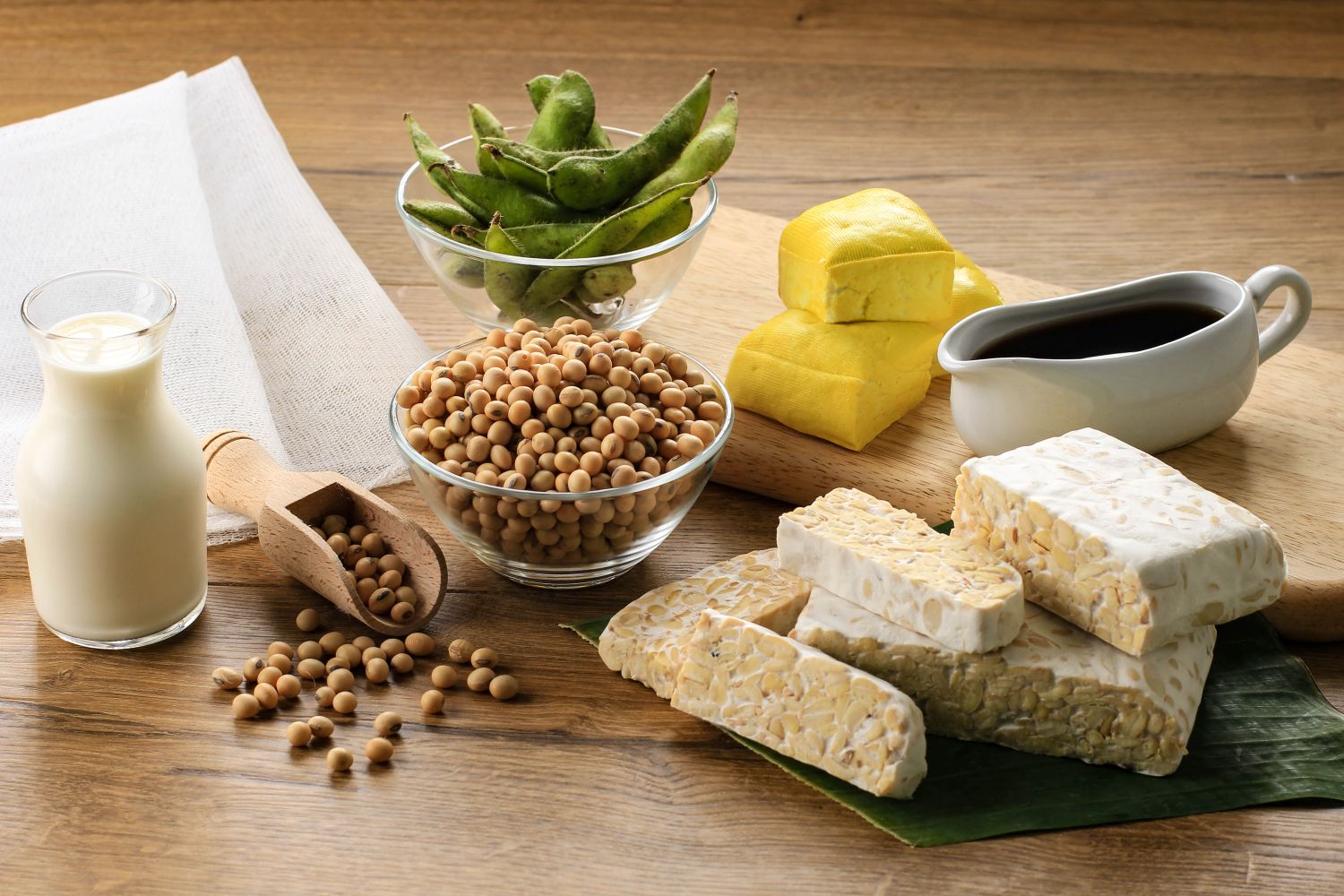
Navigating dietary restrictions can present significant challenges, particularly with regard to dairy. For individuals managing lactose intolerance or a milk allergy, it is essential to understand the distinctions between these two conditions in order to effectively manage symptoms and identify suitable alternatives. Soy isolate serves as a versatile dairy substitute that addresses these dietary needs while providing a variety of options for cooking and baking. This article will examine the causes and symptoms of lactose intolerance and milk allergies, outline the benefits of soy isolate, and provide practical suggestions for incorporating it into one’s diet. Additionally, it will discuss potential side effects and other dairy-free alternatives that can enhance culinary experiences. Learn how soy isolate can become a valuable ingredient in your kitchen, contributing to both enjoyable and safe dining experiences.
The Differences Between Lactose Intolerance and Milk Allergy
Understanding the distinctions between lactose intolerance and milk allergy is essential for individuals impacted by these conditions.
Lactose intolerance arises when the body is unable to digest lactose, the sugar present in milk, resulting in symptoms such as bloating, gas, and diarrhea.
Conversely, a milk allergy constitutes an immune response to the proteins found in milk, which can lead to severe reactions, including hives, respiratory difficulties, and potentially, anaphylaxis.
Recognizing these differences is vital for individuals to make informed dietary decisions, particularly regarding their food sensitivities, thereby facilitating improved management of their health and overall well-being.
Understanding the Causes and Symptoms
The causes and symptoms of lactose intolerance and milk allergy differ significantly due to their distinct underlying mechanisms. Lactose intolerance results from a deficiency in lactase, the enzyme that breaks down lactose, leading to digestive symptoms such as bloating and diarrhea following the consumption of dairy products.
In contrast, a milk allergy is an immune response to milk proteins, which can potentially result in severe anaphylactic reactions. Understanding these causes can assist individuals in accurately identifying their symptoms and seeking appropriate lactose-free options or allergen-free alternatives.
For instance, one individual who previously enjoyed creamy pasta and ice cream began to experience discomfort and bloating after consuming these favored foods. Upon consulting a gastroenterologist, she was diagnosed with lactose intolerance.
Conversely, another acquaintance encountered hives and severe abdominal pain after consuming a milkshake, prompting a visit to an allergist. He was diagnosed with a milk allergy, which necessitated navigating a diet entirely free of dairy products.
These personal experiences underscore the various manifestations of food intolerances, highlighting the importance of recognizing specific symptoms and understanding individual dietary needs to prevent adverse reactions.
Soy Isolate: An Alternative to Dairy Products
Soy isolate has emerged as a widely recognized alternative to traditional dairy products, particularly for individuals who are lactose intolerant or have a milk allergy.
Derived from soybeans, soy protein isolate represents a highly refined form of soy that possesses a remarkable nutritional profile, establishing it as a fundamental ingredient in various dairy alternatives and plant-based protein products.
Its versatility enables its application across a broad spectrum of uses, including non-dairy milk, yogurt, protein supplements, and meal replacements.
Highlighting the advantages of soy isolate can assist consumers in managing their dietary restrictions while still enjoying nutritious and appealing food options.
What is Soy Isolate?
Soy isolate, commonly referred to as soy protein isolate, is a highly concentrated form of protein derived from soybeans, recognized for its exceptional nutritional profile. This food ingredient is produced by extracting fats and carbohydrates from whole soybeans, resulting in a product that is nearly pure protein and contains all essential amino acids.
Soy isolate is particularly advantageous for individuals adhering to vegan or vegetarian diets, as it serves as a complete protein source essential for muscle development and overall health. A thorough understanding of the composition of soy isolate enables individuals to incorporate it effectively into their diets.
The production process begins with the defatting of whole soybeans, which are subsequently subjected to hydration and filtration techniques to extract the protein. This process yields a product that is over 90% protein by weight and low in saturated fats.
From a nutritional standpoint, soy isolate offers a range of benefits, including an array of vital vitamins and minerals, such as iron and calcium, which are critical to various bodily functions. Its high protein content makes it an excellent option for enhancing satiety and supporting weight management.
For those committed to a plant-based lifestyle, soy isolate not only fulfills their dietary protein requirements but also supplies essential nutrients that may be lacking in conventional vegan diets.
Benefits for Lactose Intolerant and Milk Allergic Individuals
For individuals who are lactose intolerant or have a milk allergy, soy isolate offers numerous advantages as a safe, allergen-free alternative to dairy products. It serves as a high-quality protein source that is free from lactose, making it an ideal option for those aiming to maintain a high-protein diet without triggering food sensitivities.
Furthermore, soy isolate is often fortified with vitamins and minerals, which enhances its nutritional profile and contributes positively to overall digestive health. By selecting soy protein, individuals can enjoy a variety of meal options while adhering to their dietary restrictions.
Incorporating soy isolate into meals can be particularly beneficial for those seeking to build muscle or manage weight, given its rich amino acid composition. Unlike many dairy alternatives, soy isolate provides a complete protein, which is crucial for muscle repair and growth.
Its versatility enables easy integration into smoothies, baked goods, and savory dishes, offering not only flavor but also a significant nutrient boost.
This versatility is especially advantageous for individuals navigating dietary challenges, as it allows them to create satisfying meals without sacrificing taste or nutrition. With these attributes, soy isolate emerges as an excellent substitute for traditional dairy products, ensuring that those affected by lactose issues can maintain a balanced, protein-rich diet.
Incorporating Soy Isolate into Your Diet
Incorporating soy isolate into one’s diet can be an effective strategy for enhancing protein intake, particularly for individuals following a plant-based diet or managing food sensitivities.
This versatile ingredient can be seamlessly integrated into a range of meals, including smoothies, baked goods, and savory dishes such as stir-fries and sauces.
By including soy isolate in meal planning, individuals can ensure they meet their protein requirements while enjoying a variety of appealing options that align with their nutritional preferences.
Understanding the various applications of soy isolate can give the power to individuals to make informed dietary choices that support their health and wellness goals.
Ways to Use Soy Isolate in Cooking and Baking
Soy isolate presents a multitude of applications in cooking and baking, making it a valuable asset in any kitchen. Its neutral flavor profile enables it to seamlessly integrate into both sweet and savory dishes, enhancing protein content without altering the overall taste.
For instance, soy isolate can be incorporated into smoothies, pancakes, and baked goods to increase their nutritional value, serving as an effective meal replacement for individuals seeking a protein-rich option. Additionally, it can be utilized in sauces or soups to thicken consistency while delivering essential nutrients.
When included in stir-fries, soy isolate enhances the nutritional balance of the dish. Soups that are fortified with soy isolate not only achieve a creamy texture but also provide a substantial protein boost, rendering them more satisfying.
Innovative home cooks may explore the creation of homemade protein bars, incorporating soy isolate into energy bites for a convenient snack option.
In baking, substituting a portion of flour with soy isolate in cookie or muffin recipes enhances their protein profile without compromising flavor. This ingredient encourages culinary creativity, inviting individuals to think innovatively as they experiment with various soy-based recipes tailored to their specific taste preferences.
Recommended Daily Intake
The recommended daily intake of soy isolate is contingent upon individual dietary needs, activity levels, and nutritional objectives. However, a general guideline suggests an intake of approximately 20-25 grams of protein for most adults.
This requirement can be effectively met by incorporating the benefits of soy protein, particularly when combined with other protein sources within a balanced diet. It is imperative to adjust the intake based on personal health considerations and established dietary guidelines to ensure optimal nutritional benefits are realized.
Factors such as an individual’s level of physical activity significantly influence their protein requirements. For example, athletes or those participating in vigorous exercise may necessitate a higher protein intake to facilitate muscle recovery and growth.
Individuals with specific dietary restrictions, such as vegetarians or those with lactose intolerance, may find soy isolate to be a valuable alternative to meat or dairy products, thus rendering it an essential component of their nutrition plans.
To fully leverage the advantages of soy protein, it is advisable to combine it with a diverse range of other nutrient-dense foods, thereby creating a comprehensive strategy that supports overarching dietary goals.
Possible Side Effects of Soy Isolate
Soy isolate is generally regarded as safe and beneficial for the majority of individuals; however, it is crucial to be cognizant of potential side effects that may occur, particularly among those with food sensitivities.
Some individuals may experience digestive discomfort, including gas or bloating, especially when consuming large quantities of soy isolate without a gradual introduction to their diet. Additionally, individuals with soy allergies should completely avoid soy isolate, as it can provoke allergic reactions.
By adhering to these precautions, one can help ensure that the incorporation of soy isolate into the diet positively supports digestive health.
Precautions and Risks to Consider
When considering the incorporation of soy isolate into one’s diet, it is essential to take specific precautions and be aware of potential risks, particularly for individuals with existing food allergies. Soy is recognized as one of the top allergenic foods, and those with a known soy allergy should strictly avoid soy isolate to prevent any adverse reactions.
It is advisable to consult food labels and allergen information to ensure that other ingredients do not pose a risk. Being well-informed enables individuals to enjoy the nutritional benefits of soy isolate while minimizing potential health complications.
Cross-contamination during manufacturing represents another significant concern for those with sensitivities. Some products may contain traces of soy, even if it is not the primary ingredient.
This situation underscores the importance of ingredient transparency from food manufacturers; informed consumers are better equipped to navigate their dietary choices. Careful examination of labels is crucial; without this diligence, one might inadvertently consume soy isolate in products where it is not anticipated.
By understanding the nature of soy isolate as a major allergen and recognizing the necessity for precise ingredient analysis, individuals can protect their health while exploring dietary enhancements.
Other Dairy-Free Alternatives
Along with soy isolate, there exists a diverse array of dairy-free alternatives that cater to individuals with lactose intolerance or milk allergies, thereby providing consumers with a variety of lactose-free options.
These alternatives encompass various types of non-dairy milk, including almond, oat, and coconut milk, each presenting distinct flavors and nutritional profiles. Many of these products are fortified with essential nutrients such as calcium and vitamins, which support overall health and wellness, making them suitable for those interested in a plant-based protein diet.
A thorough understanding of the landscape of dairy alternatives can give the power to individuals to make informed decisions that align with their dietary needs.
Comparing Soy Isolate to Other Dairy Substitutes
A comparison of soy isolate with other dairy substitutes reveals significant differences in nutritional benefits and culinary applications. Soy isolate is distinguished as a rich source of plant-based protein, often exhibiting a higher protein content than alternatives such as almond or rice milk. Moreover, soy isolate offers a complete amino acid profile, which is essential for muscle building and recovery.
Analyzing these distinctions can assist individuals in selecting the dairy substitute that best aligns with their dietary restrictions and nutritional requirements.
In contrast, almond milk is generally lower in protein but contains a higher concentration of healthy fats, making it a preferable option for those pursuing heart-healthy alternatives. Rice milk, while typically easy to digest, lacks the protein density associated with soy isolate, resulting in a less balanced nutritional profile.
For individuals adhering to gluten-free or nut-free diets, soy isolate serves as a versatile alternative, whereas oat milk provides a creamy texture but may not meet protein content expectations.
A comprehensive understanding of how these dairy substitutes compare give the power tos consumers to make informed choices tailored to their specific health objectives, whether they pertain to weight management, muscle gain, or allergen avoidance.
